
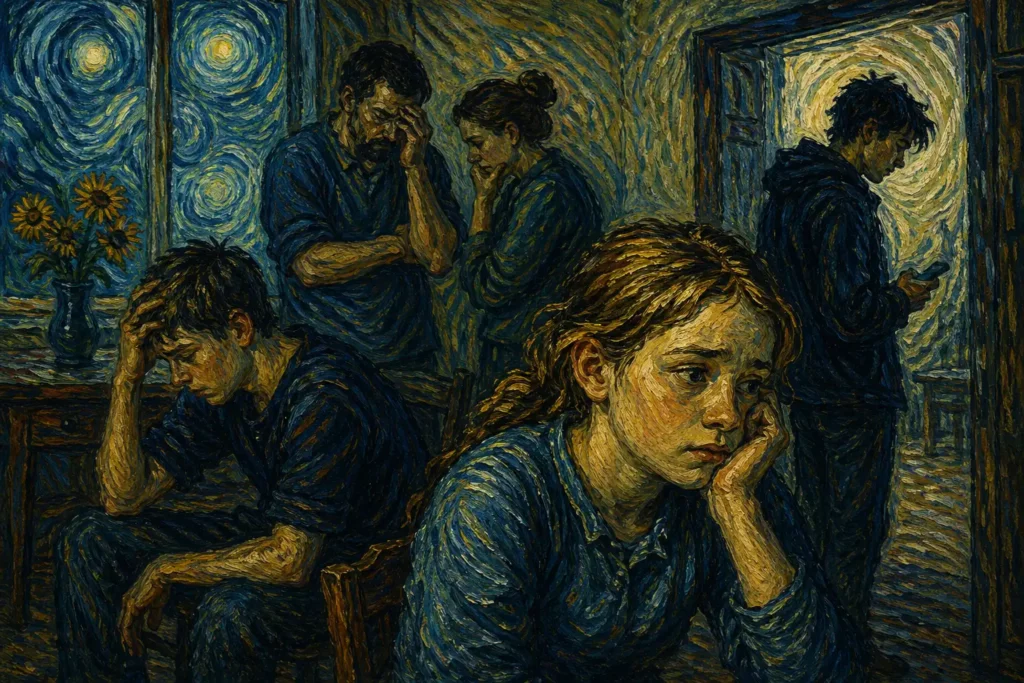
When a young person is battling substance use, the focus—understandably—turns toward crisis recognition, its management, treatment, and family survival. Parents are consumed with fear, logistics, and heartbreak. Resources are mobilized. Time, energy, and finances are redirected toward the child in need.
And then there are the siblings.
Often overlooked, frequently misunderstood, and quietly carrying a burden they don’t want or understand, siblings of addicted youth live in the shadow of a crisis that reshapes their family—and their identity within it.
At Gregg’s Gift, we have learned that if we truly want to support recovery and healing, we cannot focus on just one individual. Addiction is a family experience. And siblings, in particular, are too often the invisible casualties.
This is their story—and our call to action.
The Emotional Landscape of the Sibling
Imagine being a teenager or young adult watching your brother or sister spiral into substance use. You see the changes—the secrecy, the mood swings, the chaos. You hear the arguments behind closed doors. You feel the tension at the dinner table.
But no one is really asking how you are doing.
Siblings often experience a complicated mix of emotions:
- Confusion: “Why is this happening?”
- Fear: “Will they overdose? Will they die?”
- Anger: “Why are they doing this to our family?”
- Jealousy: “Why do they get all the attention?”
- Guilt: “Am I selfish for feeling this way?”
These emotions don’t exist in isolation—they collide and compound over time. Without guidance or support, siblings may internalize these feelings, believing they must “be the strong one” or “not make things worse.”
The Unspoken Role: The “Good Child”
In many families affected by addiction, siblings unconsciously adopt roles to stabilize the environment. One of the most common is the “good child.”
This child becomes:
- Responsible beyond their years
- High achieving in school or activities
- Emotionally self-sufficient
- Careful not to add stress to the family
On the surface, this can look like resilience. And in many ways, it is. But beneath it often lies suppression, fearing the result of expressing their own upset and adding to family turmoil.
When siblings don’t feel safe expressing their own needs, those needs don’t disappear—they go underground. Over time, this can lead to anxiety, depression, resentment, and even difficulty forming healthy relationships later in life.
The Long-Term Impact
Research and shared experiences tell us that siblings of individuals with substance use disorders are at increased risk for:
- Mental health challenges, including anxiety and depression
- Difficulty trusting others
- Struggles with boundaries
- Increased likelihood of substance use themselves
These awful outcomes don’t occur because siblings are “destined” for them; they happen because they have lived in an environment shaped by unpredictability, emotional intensity, and often, silence. The family system adapts to survive the addiction. But not all adaptations are healthy in the long run, especially for young or adolescent children in the family.
What Siblings Need (But Rarely Receive)
Supporting siblings doesn’t require perfection from their parents. It requires awareness and intention. Here’s what makes a meaningful difference:
- Acknowledgment
Siblings need to be seen. A simple statement like, “I know this is hard for you, too” or “let’s talk about what’s changed in our family” can be profoundly validating. It tells them their experience matters; that they are not invisible during this crisis.
- Permission to Feel
There is no “right” way to feel when a sibling is struggling with addiction. Anger, sadness, relief, frustration—all of it is valid. When we normalize these emotions, give siblings the ‘ok’ to feel what they feel, we reduce shame and open the door to healthy processing.
- Access to Support
Siblings benefit enormously from:
- Counseling or therapy
- Peer support groups specifically for siblings
- School-based guidance counselors
- Mentorship programs
These outlets provide a space where they don’t have to protect anyone else’s feelings; allows them to be open in their upset and confusion.
- Accurate Information
Addiction is confusing. Misinformation can lead to fear or misplaced blame. When siblings are given age-appropriate, honest information about substance use and recovery, it leads them to understand what’s happening; to recognize what is not their responsibility.
- Time and Attention
Even small, consistent moments of connection—going for a walk, sharing a meal, asking about their day—can restore a sense of normalcy and belonging; of being reminded they are still an important, deserving family member with their own needs.
Supporting the Whole Family Is Supporting Recovery
Too often, addiction treatment focuses solely on the individual, perhaps their parents. But sustainable recovery is deeply connected to family dynamics. When siblings are supported:
- Family communication improves
- Resentment is reduced
- Emotional balance is restored
- The recovering individual returns to a healthier environment
In other words, helping siblings is not a “nice extra.” It is a critical component of long-term recovery success and continued healthy growing up, despite enduring a family crisis.
Where Organizations Like Gregg’s Gift Step In
At Gregg’s Gift, we are committed to expanding the conversation beyond the individual struggling with substance use. Through our partnerships with organizations around the world, we advocate for resources that address the full family system, including siblings.
This means:
- Funding programs that offer sibling-specific support groups
- Supporting educational initiatives for families navigating addiction
- Partnering with community organizations to identify and assist at-risk youth
- Raising awareness about the hidden impact of addiction on siblings
We believe that when you strengthen the family, you strengthen the outcome.
A Message to Parents and Caregivers
If you are walking this road, you are likely doing the best you can in an incredibly difficult situation. Supporting one child in crisis can feel all-consuming. But if you can, even in small ways, remember the others. Check in with them. Listen without fixing. Reassure them that they matter; not just for how they are helping the family cope, but for who they are as individuals who also need support and recognition.
You don’t have to do it perfectly. You just have to do it consistently.
A Message to Donors and Supporters
If you are considering supporting Gregg’s Gift, know this: Your contribution does more than fund treatment programs. It expands the circle of care.
It helps ensure that:
- A sibling has someone to talk to
- A family has access to education and guidance
- A young person doesn’t carry this burden alone
Addiction isolates. Community heals.
When you invest in family-centered support, you are not just helping one life—you are stabilizing an entire system.
Closing Thoughts
Siblings of addicted youth are resilient, perceptive, and deeply affected by what they experience. They are also, too often, unseen. If we want to change the trajectory of addiction and recovery, we must widen our lens. We must ask not only, “How do we help the individual?” but also, “Who else is carrying this weight?”
At Gregg’s Gift, we believe no one in the family should feel invisible.
Not the parent. Not the child in crisis. And certainly not the sibling standing quietly on the sidelines, hoping someone will notice they are hurting too.
Because when we support them all—we create the possibility for true, lasting healing for them all and for the larger communities in which they participate.
As a parent of a child (young adult) that was addicted for over 20 years I also had a child two years younger living experiencing this nightmare. We tried to not ignore the child and basically tried to smother her with shopping and giving her what she wanted to make her feel wanted and happy. She resented her brother immensely and it damaged their relationship for many years. He is now 10 years sober and works with others who are experiencing addiction. He and his sister are still working on their relationship.
Thank you so much for your candor and sharing the wider range of attention needed for family members, especially siblings ~